Tributes — Testimonials
Texts, letters and testimonials shared by Guillaume's family, friends and loved ones.
Portrait of Guillaume by his Manager at the Greater London Authority, Nick Jacob
Nick Jacob
(Greater London Authority)
Guillaume Paugam, 16 January 1997 to 18 March 2025 24 March 2025 Nick Jacob
Guillaume Paugam, who has sadly passed away, joined the GLA in March 2024, shortly after submitting his PhD thesis in January of that year.
Coming into the Labour Market Microeconomics team in GLA Economics, it was immediately obvious that Guillaume had a passion for analysis in service of the social good.
Within days of starting he was suggesting he organise regular seminars to bring academic research closer to City Intelligence and GLA's Policy teams, and started a book club for colleagues interested in economics. And he took steps to make those things happen. Never mind that he was so new that he was yet to form the networks so ingrained in the organisation, Guillaume saw an opportunity to do something worthwhile and so he plunged into it.
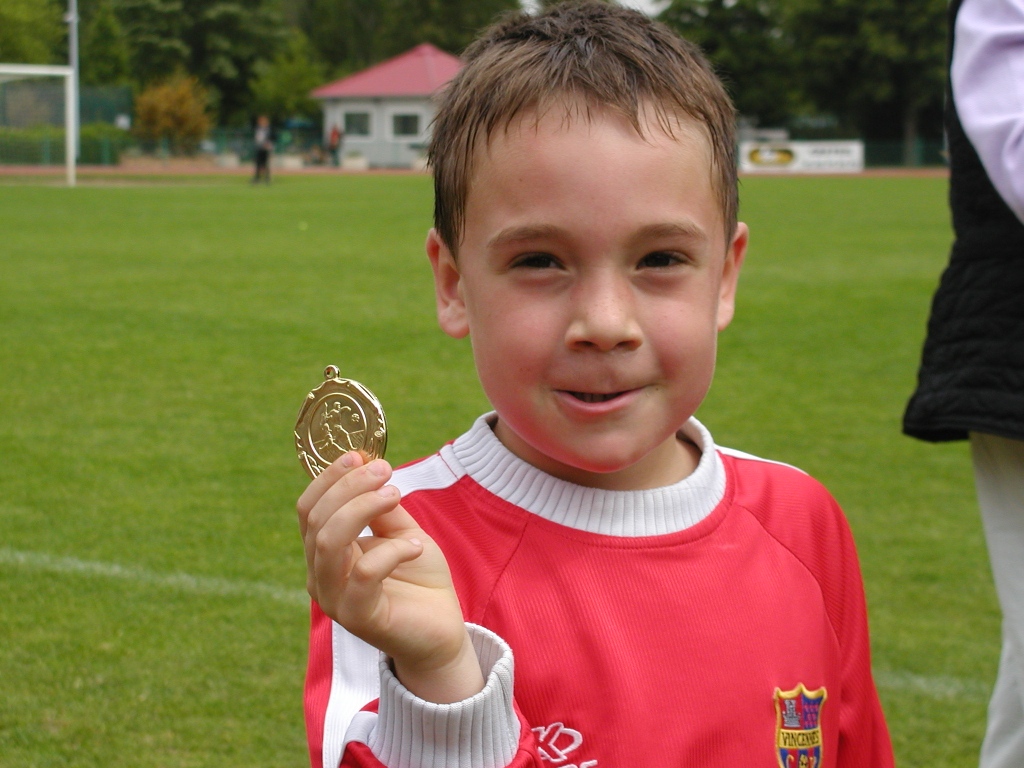
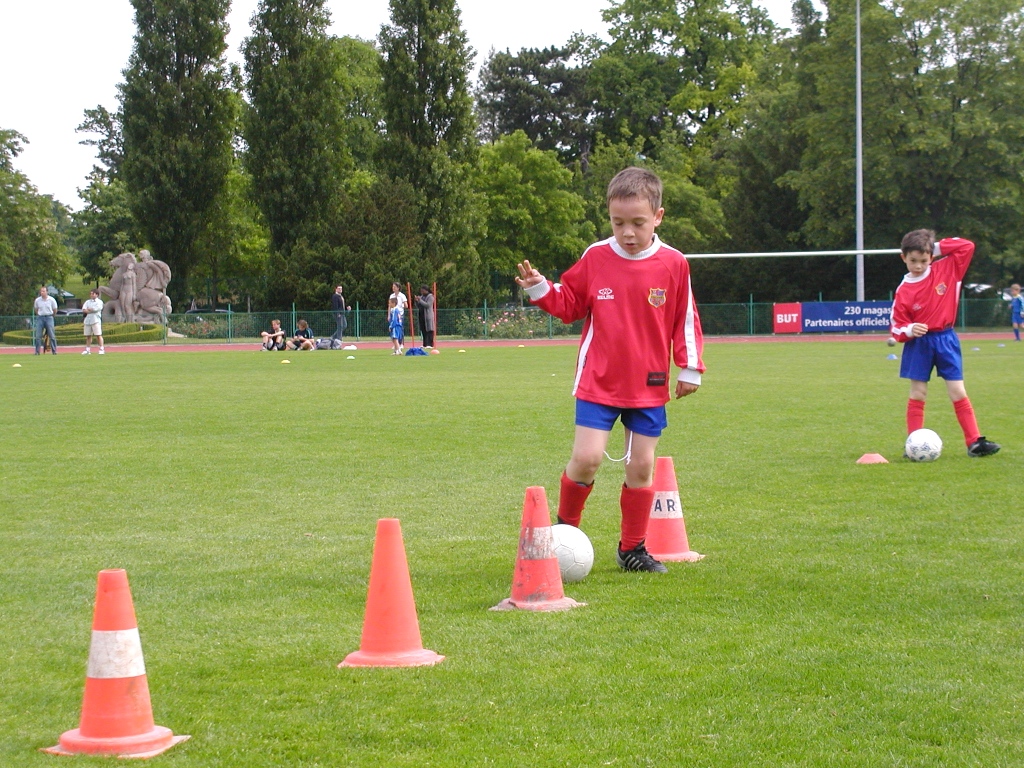
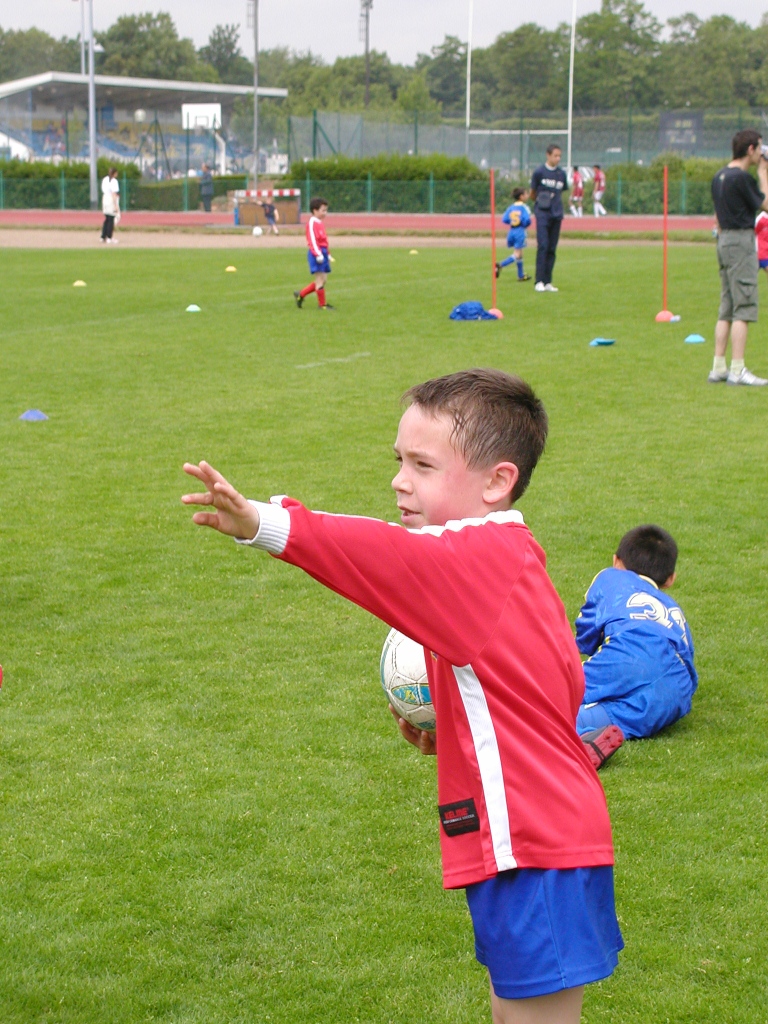
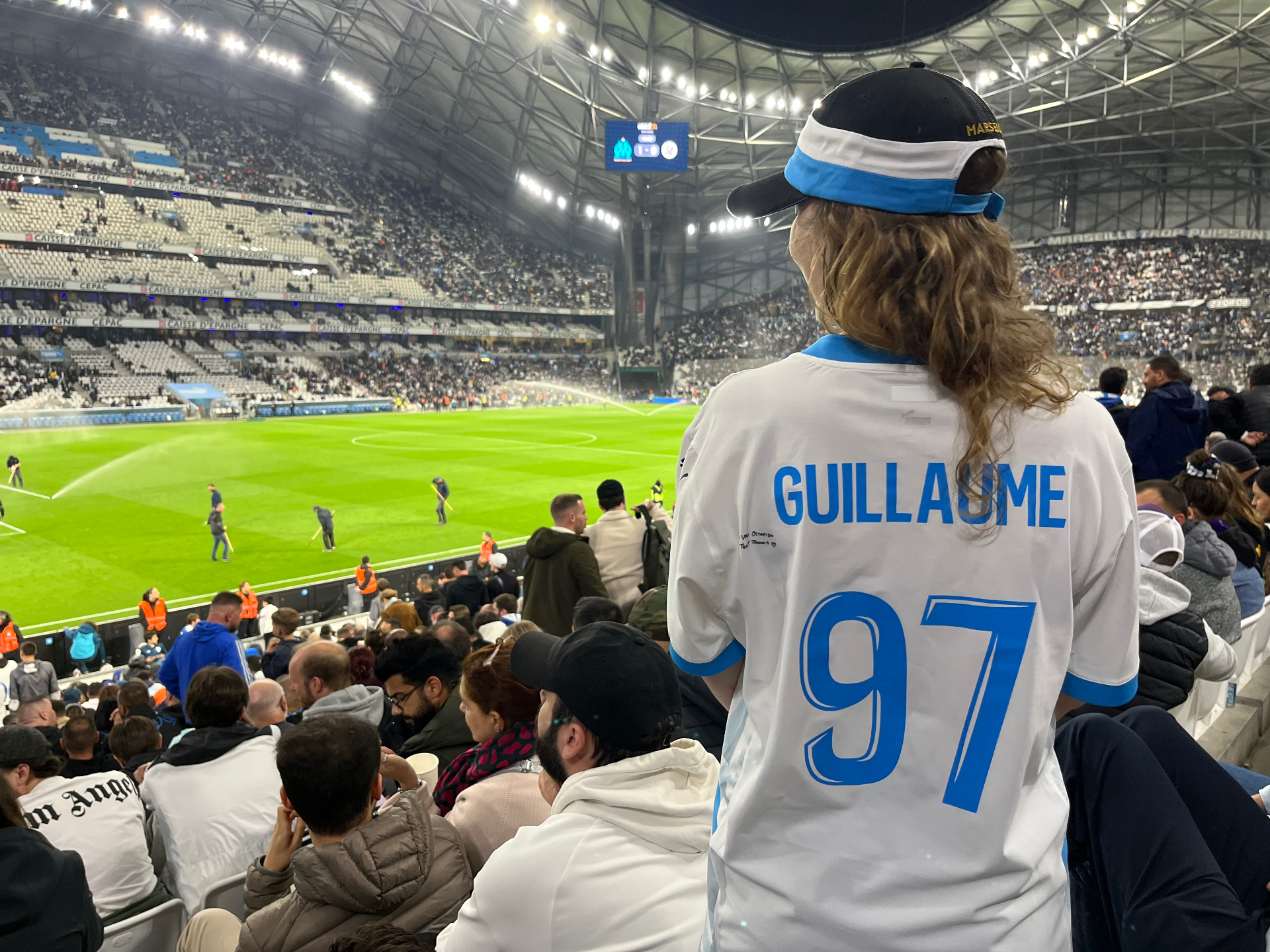
This enthusiasm and energy marked him out, and we saw it wasn't only about his work. He loved to talk about his football – supporting Olympique de Marseille, playing for a Sunday league side and coaching while at university. Never having seen him play, it was not a surprise to learn Gui was full-back – a position that involves selfless running up and down the line, supporting his teammates, and no little skill. Gui proudly told us at his last team catch-up call that he'd recently found some goalscoring form, too.
He also played drums in an alt-rock band (presumably with gusto). Needing to get to a gig in Oxford on time was definitely a fine reason to take a Friday afternoon off. (Sorry, MyHR, you won't find that recorded there.) But he also wanted to combine his work at GLA with furthering his academic publications. Being able to formalise the arrangement was a great help, he said, in finalising the second chapter from his PhD thesis and getting it published in a journal. Somehow he also managed to find time and energy to study Spanish – and of course to take his British citizenship test.
Guillaume was a pleasure to manage and to work with. From the off, he was a safe pair hands, able to deliver high quality reports. Within a couple of weeks, he had picked up responsibility for the team's London monthly labour market update – learning how to code in a new language on the way. Within a month or so, he had produced a new analysis of London's non-UK born workforce, and by three months, he had several longer-term research projects on the go, and a countless to-do list of topics he was determined to tackle.
Of course, all that enthusiasm wasn't always easy to harness. Most people that Gui worked with will probably remember at least one lengthy, detailed email that seemed to contain so many ideas and potential solutions that it would make your head spin. Fundamentally, it seemed that if Gui knew something, then he wanted everyone to know it – and however senior they were, to understand it in all its intricacies the way he understood it.
But Gui always wanted to learn more and do things better. That was especially true if it could help him deliver insight and impact that could help change lives. So, he worked hard to shorten the sentences. To create a clear narrative. To identify the key messages. His work gained immeasurably from the effort he put in to do that – his latest study on ill-health and economic inactivity was widely read and used by policy colleagues. He, and we, were immensely proud to also see it picked up and reported on by the press.
Gui was a natural at connecting with people. His enthusiasm and friendliness combined with deep knowledge of his subject, seemed to make forming networks easy for him. When he recently saw a call for bids for a research council project on economic inactivity, he instantly seized on it, proposing GLA involvement alongside academia in developing a proposal, and bringing along many more senior colleagues in his wake. That work will be taken forward. There are several other of Guillaume's projects that still remain to be published. He wrote a report for the Workplace Integration Network which carefully builds up quantitative evidence of the cost of labour market inequalities – a piece of work that has the potential to make a large impact. A study detailing the growth of in-work poverty in London will provide policymakers with badly-needed data to understand the issue. An analysis of labour market dynamics will help us better understand the recent, growing problem of unemployment in London. And his work on building and maintaining the Labour Market team's data processing code will remain a central part of what we do in the future. It is easy to imagine him laughing good-naturedly as he apologises in advance for all the little bugs we find. Guillaume passed away in the evening of 18 March from a cardiac arrest at the Whittington hospital in Archway. He is survived by his parents, Anne and Jean-Marie, his brother and sister, and partner, Catherine.